
THE ART OF HANDWOVEN RUGS
A Timeless Legacy of History, Craftsmanship & Value | Authentic Art Gallery – Laguna Beach, California
A handmade rug is far more than a floor covering. It is a work of textile art: a record of human ingenuity,
cultural exchange, family tradition, and extraordinary patience. In every knot, color, and carefully balanced
motif lies a story of the people and places that created it. From nomadic weaving traditions to the
sophisticated workshops of royal courts, handwoven carpets have crossed centuries and continents while
remaining deeply personal objects of beauty.
A History Woven Across Civilizations
The story of weaving begins long before the surviving examples of pile carpets. Ancient communities learned
to twist fibers into yarn and interlace threads to create practical textiles for warmth, shelter, storage, and
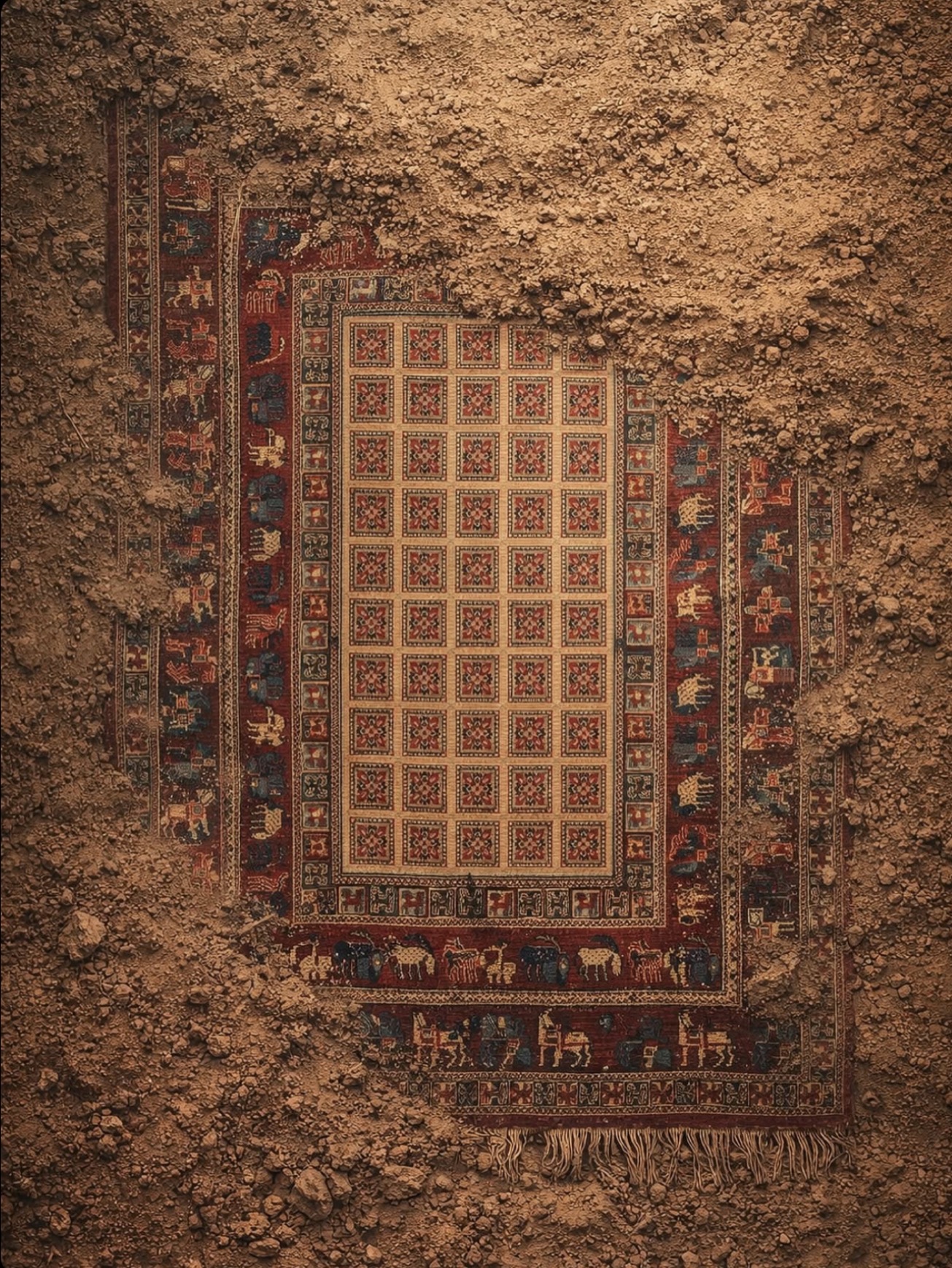
decoration. Over time, weaving evolved into a refined artistic language. The Pazyryk carpet, discovered in a
frozen burial mound in the Altai region and generally dated to the fifth century BCE, is among the earliest
surviving knotted-pile carpets. Its sophisticated design demonstrates that advanced weaving techniques were
already established at that time. Its exact place of manufacture remains debated.
Carpet traditions developed across Iran, Anatolia, the Caucasus, Central Asia, India, China, and other
regions. Trade routes carried wool, silk, dyes, techniques, and visual ideas across borders. The resulting rugs
were never all alike: each region developed distinctive materials, colors, structures, and artistic vocabularies.
Persian Carpets: A Distinguished Artistic Heritage
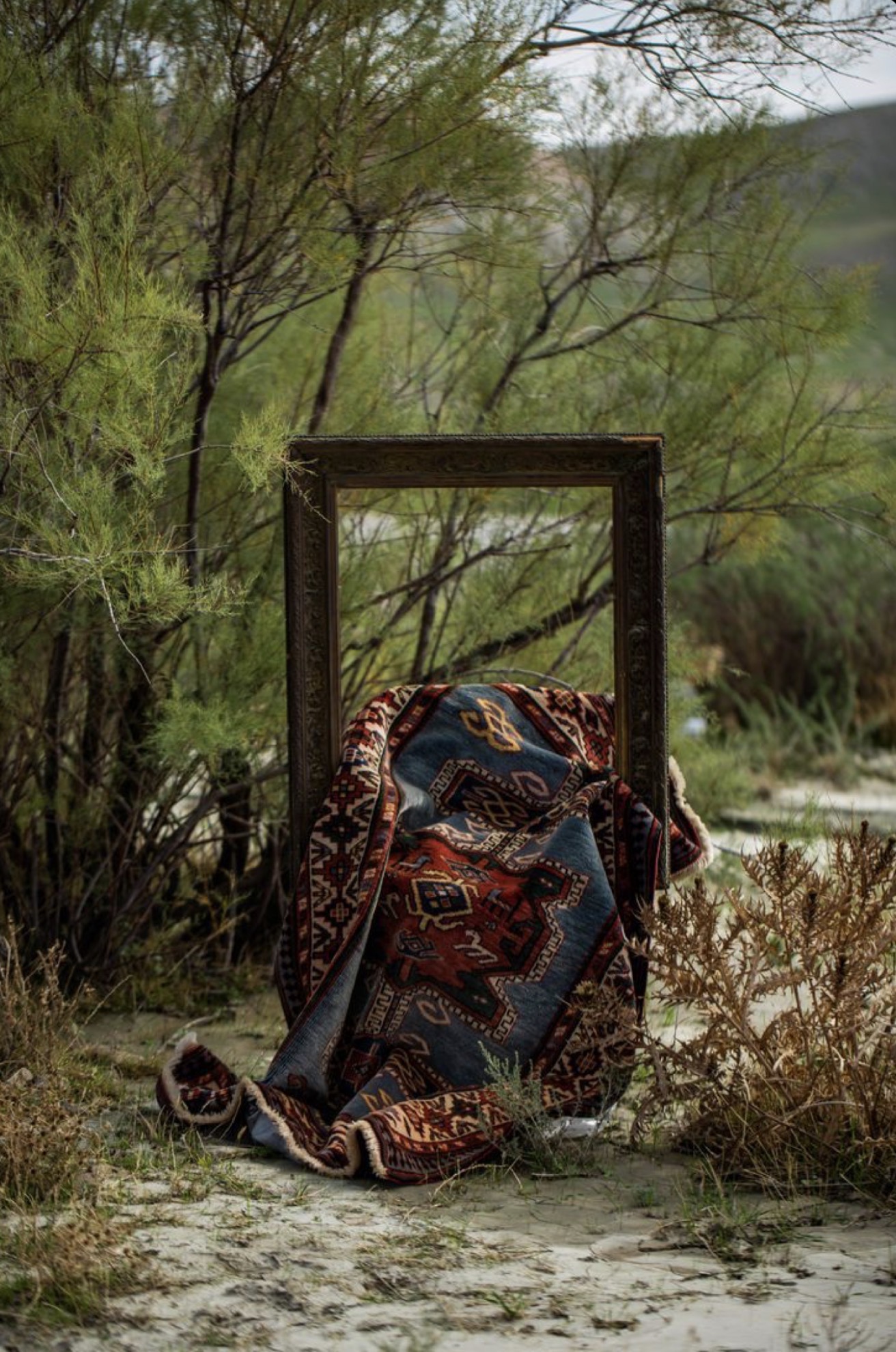
Persian weaving holds an exceptional place in the history of decorative art. Under the Safavid dynasty,
especially during the sixteenth and seventeenth centuries, sophisticated court workshops produced carpets of
remarkable technical and visual refinement. Designers explored elegant central medallions, flowing
arabesques, floral sprays, gardens, and dynamic animal imagery. Some luxurious examples combined fine
silk with metal-wrapped threads and circulated internationally as diplomatic gifts and prized furnishings.
Beyond courtly production, Iranian village and tribal weavers developed equally compelling artistic traditions.
Regions and weaving centers such as Tabriz, Kashan, Isfahan, Nain, Heriz, Qashqai, and Bakhtiari are
associated with different approaches to composition, texture, color, and structure. A bold geometric village
carpet and an intricate floral city carpet may look very different, yet both can represent outstanding artistry.
How a Hand-Knotted Rug Is Made
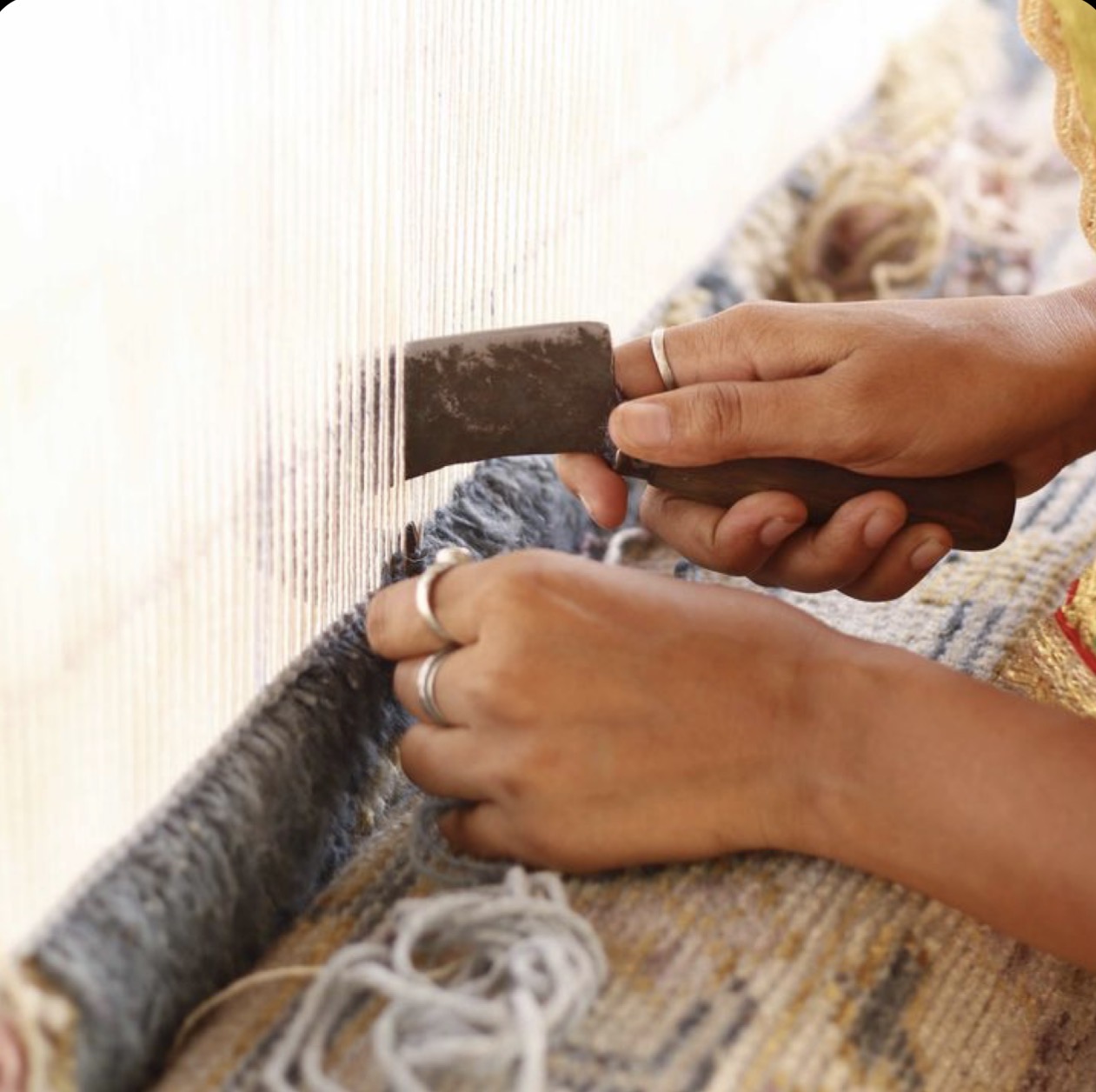
The process begins with fiber selection. Wool is valued for its resilience and character; silk offers luster and
can support very fine detail; cotton is commonly used for a stable foundation. Artisans prepare, spin, and dye
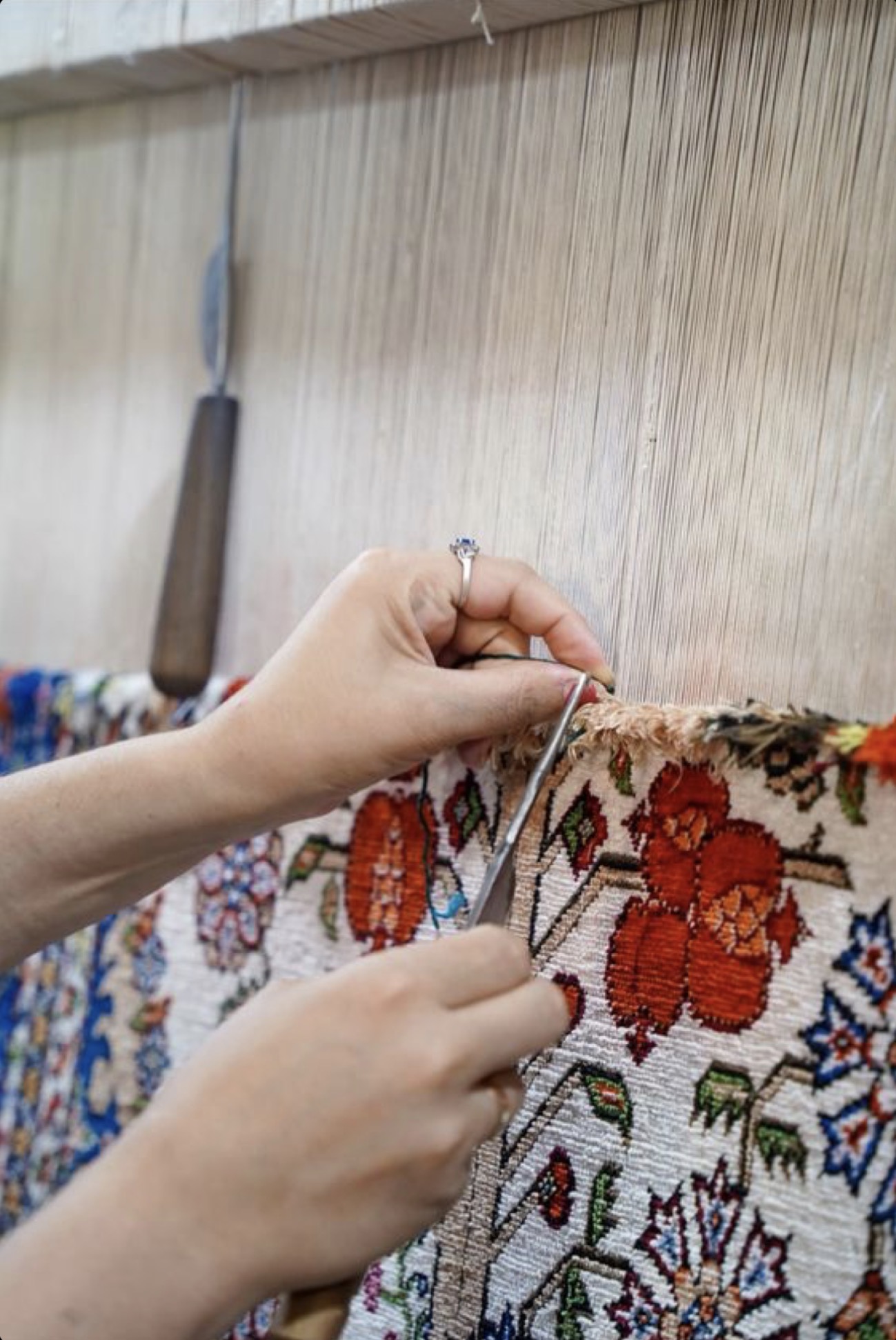
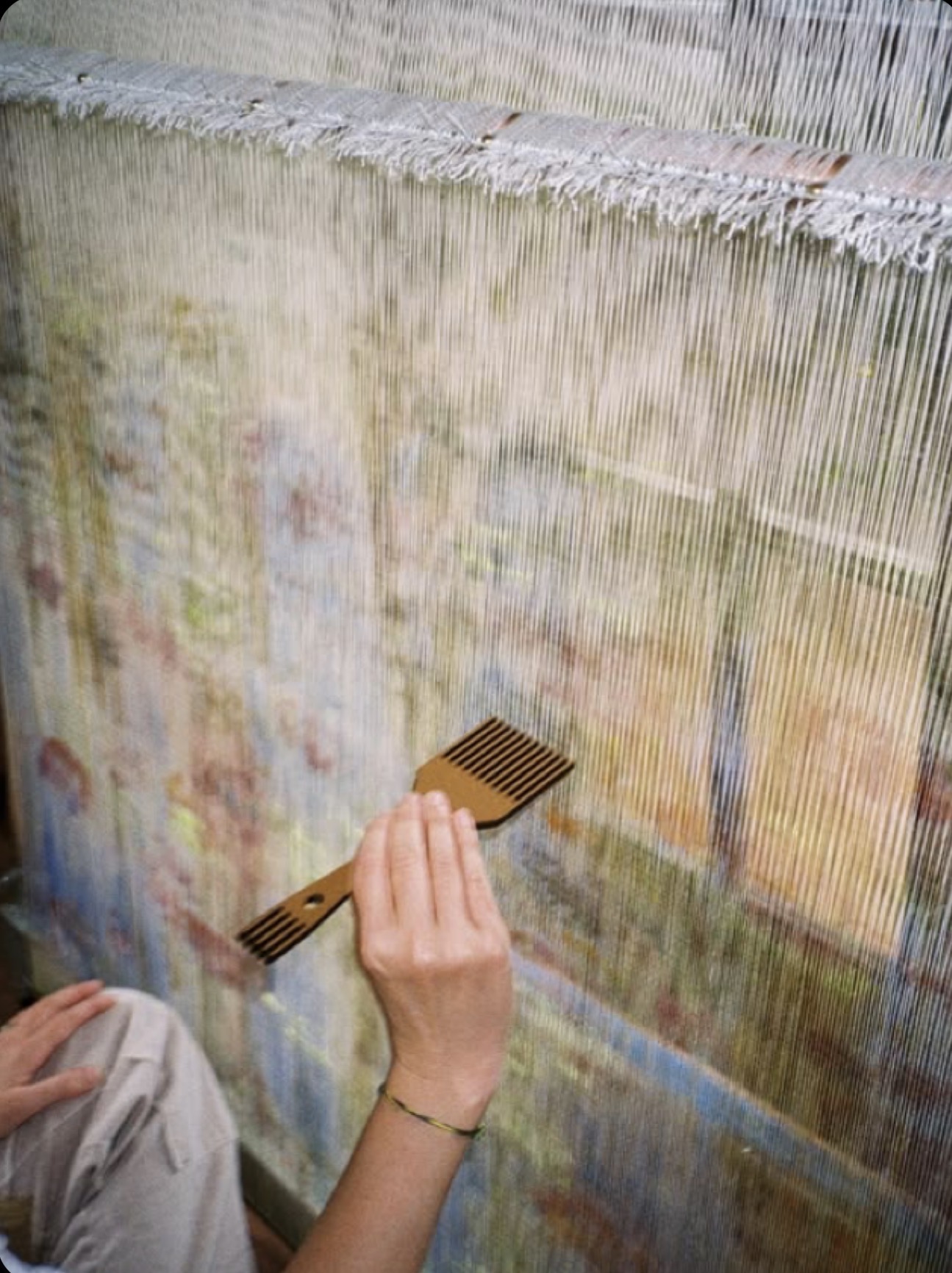
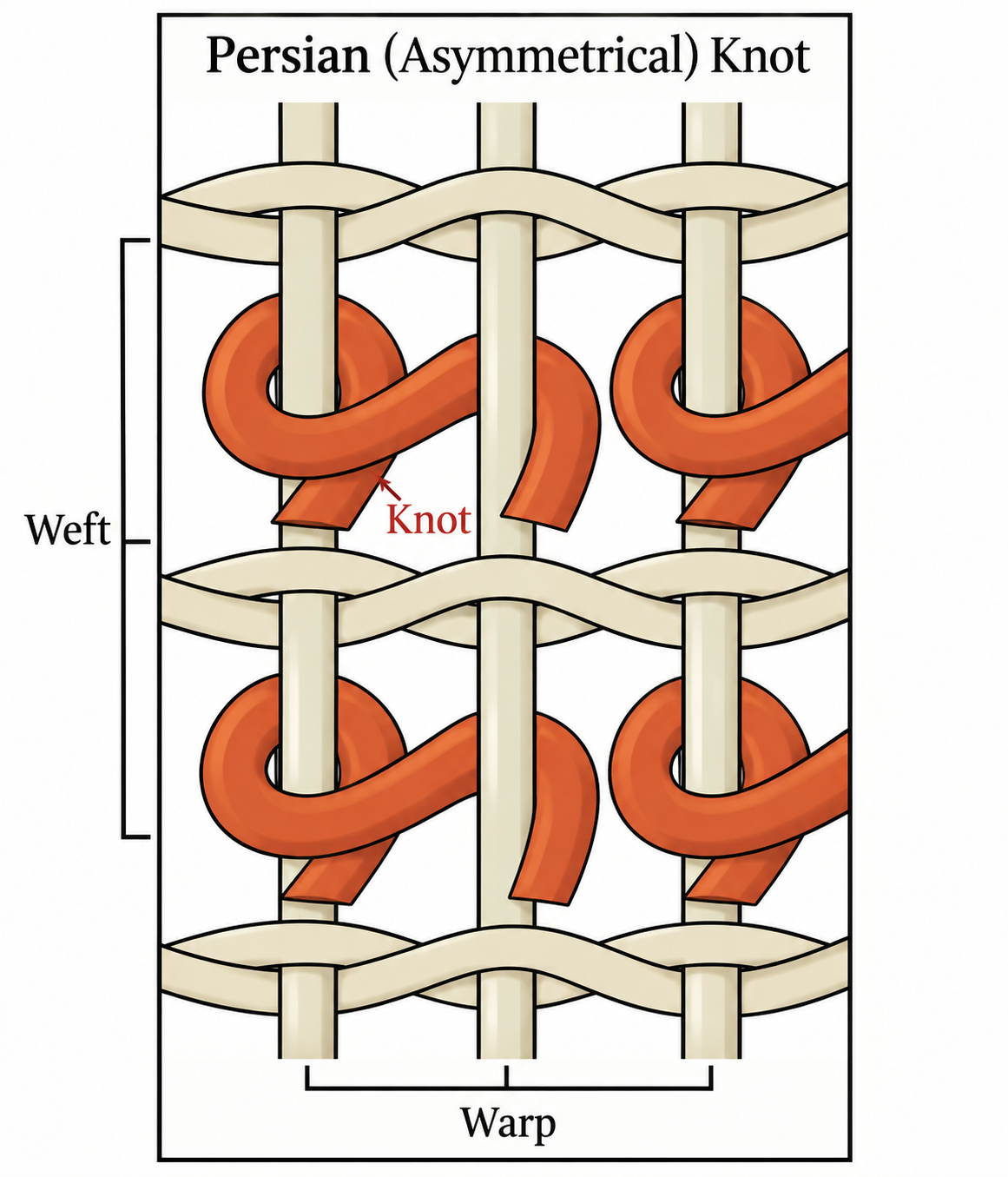
the yarn before stretching vertical warp threads on a loom. A weaver then ties individual knots around
adjacent warps to build the pile, row by row. Weft threads pass across the loom between rows of knots and
are beaten into place to secure the structure. The surface is periodically trimmed, and the completed rug is
washed, finished, and inspected.
The work requires precision and judgment. Some weavers follow a detailed cartoon or graph; others work
from memorized motifs, established patterns, or creative improvisation. Large, fine rugs may require many
months or longer to complete, depending on their dimensions, knot density, complexity, and the number of
artisans involved.
Understanding Traditional Rug Knots
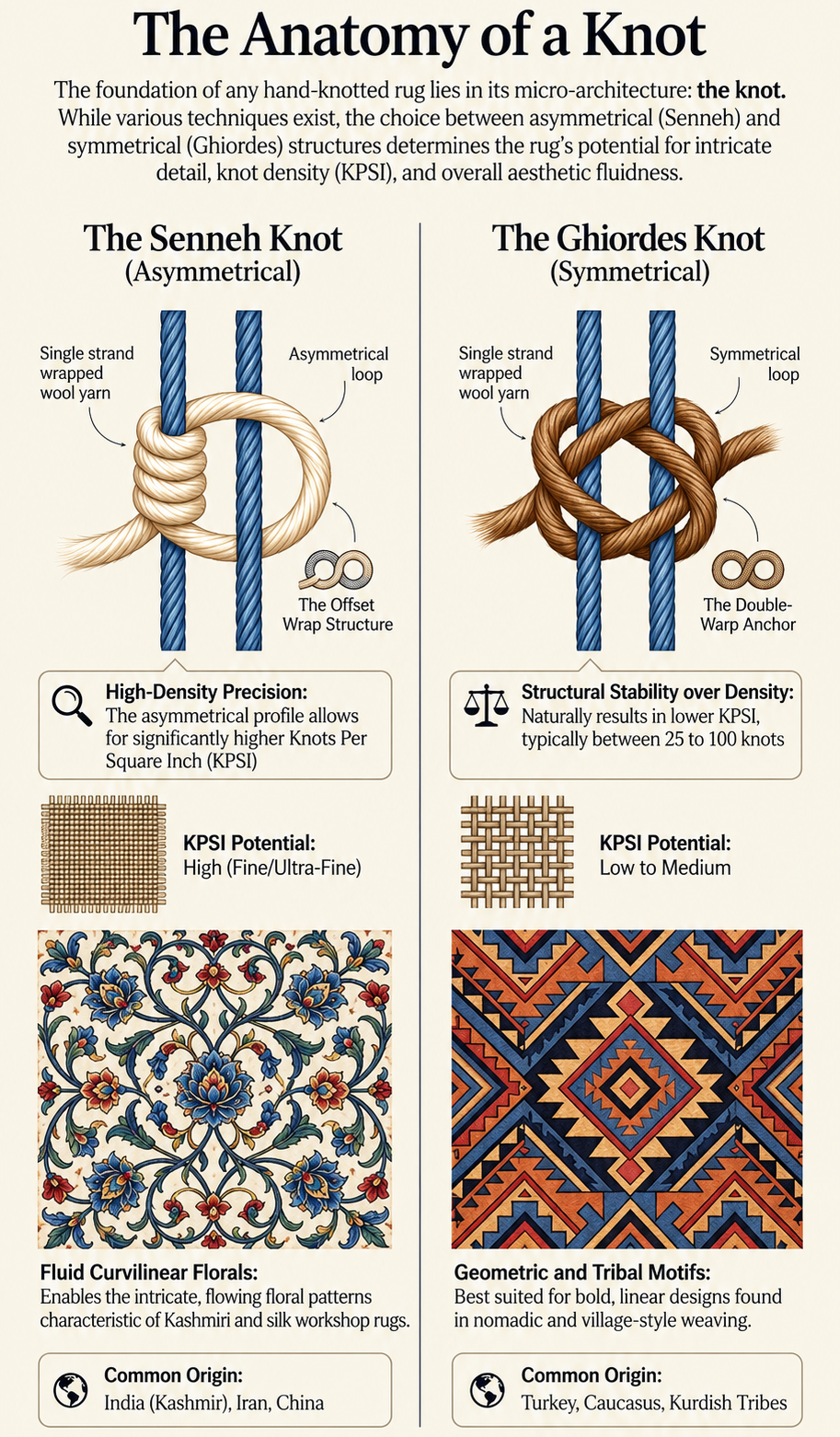
Two widely recognized pile-knot structures are the symmetrical knot, often called the Turkish or Ghiordes
knot, and the asymmetrical knot, often called the Persian or Senneh knot. In a symmetrical knot, yarn
encircles two adjacent warp threads and the ends emerge between them. In an asymmetrical knot, the yarn
wraps fully around one warp and passes around the adjacent warp, with the opening facing left or right. These
names are historical conventions, not reliable proof of where a rug was made: both structures appear in
multiple weaving regions.
Knot density may influence the level of detail a weaver can achieve, but it does not independently establish
quality or value. Fiber quality, design, color harmony, technical consistency, condition, and cultural
importance are equally significant. A beautifully composed tribal rug with a relatively low knot count can be
more desirable than a tightly knotted rug with uninspired design or poor materials.
Natural Dyes: Color with Depth and Character
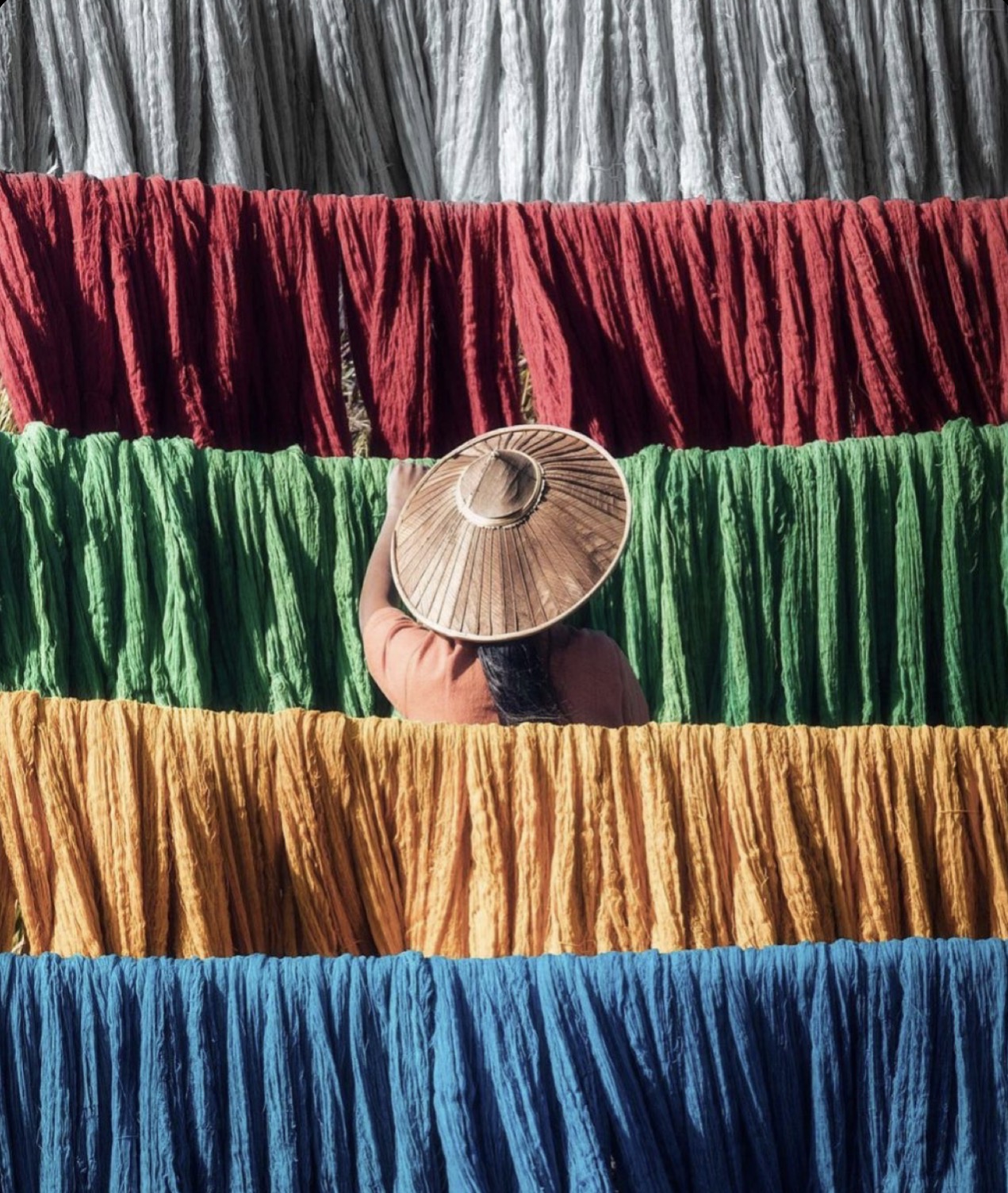
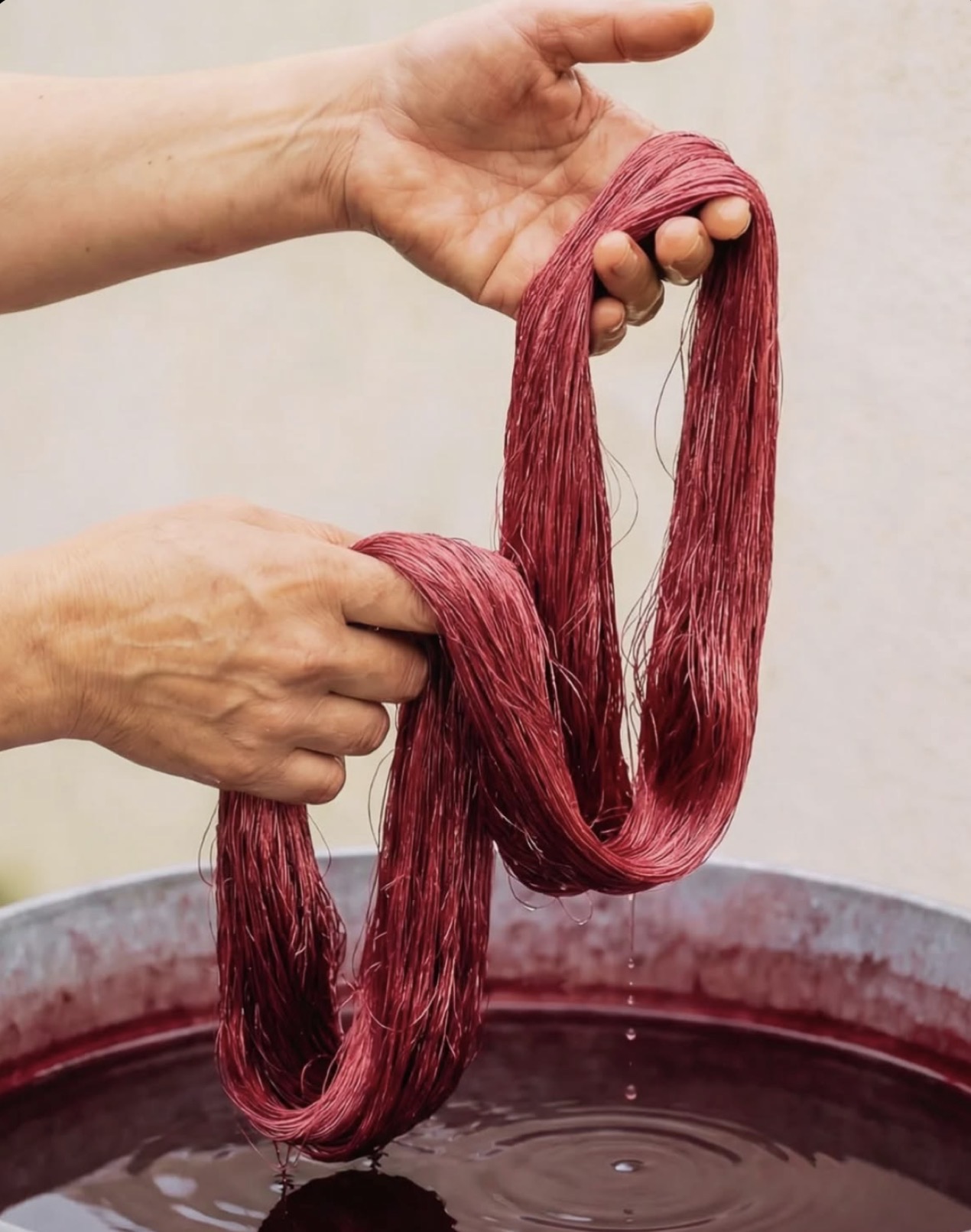
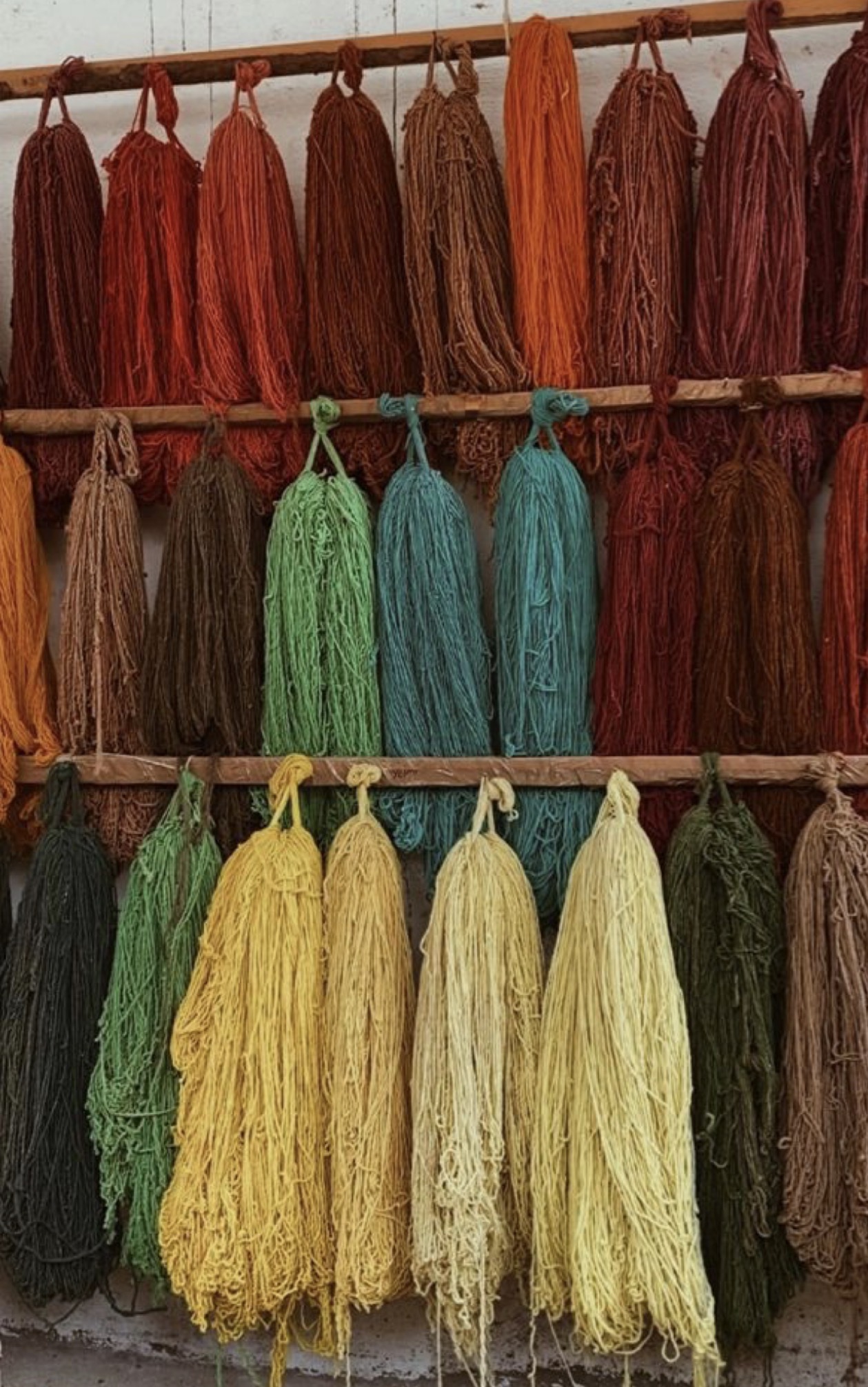
Traditional dyers drew color from plants, insects, and other natural sources. Madder root can produce reds
and warm terracotta shades; indigo supplies blues; weld yields yellows; and insect dyes such as lac and
cochineal have been used for rich reds. Skilled dyers combine dye sources, mordants, temperature control,
and repeated baths to achieve complex palettes. Not every antique or handmade rug uses natural dyes, and
identifying a dye source conclusively may require scientific testing.
Subtle variations within a field of color are sometimes called abrash. They can arise from differences in dye
batches, yarn preparation, or fading over time. In many handmade rugs, these gentle tonal shifts create visual
depth and reveal the human process behind the weaving.
The Language of Traditional Motifs
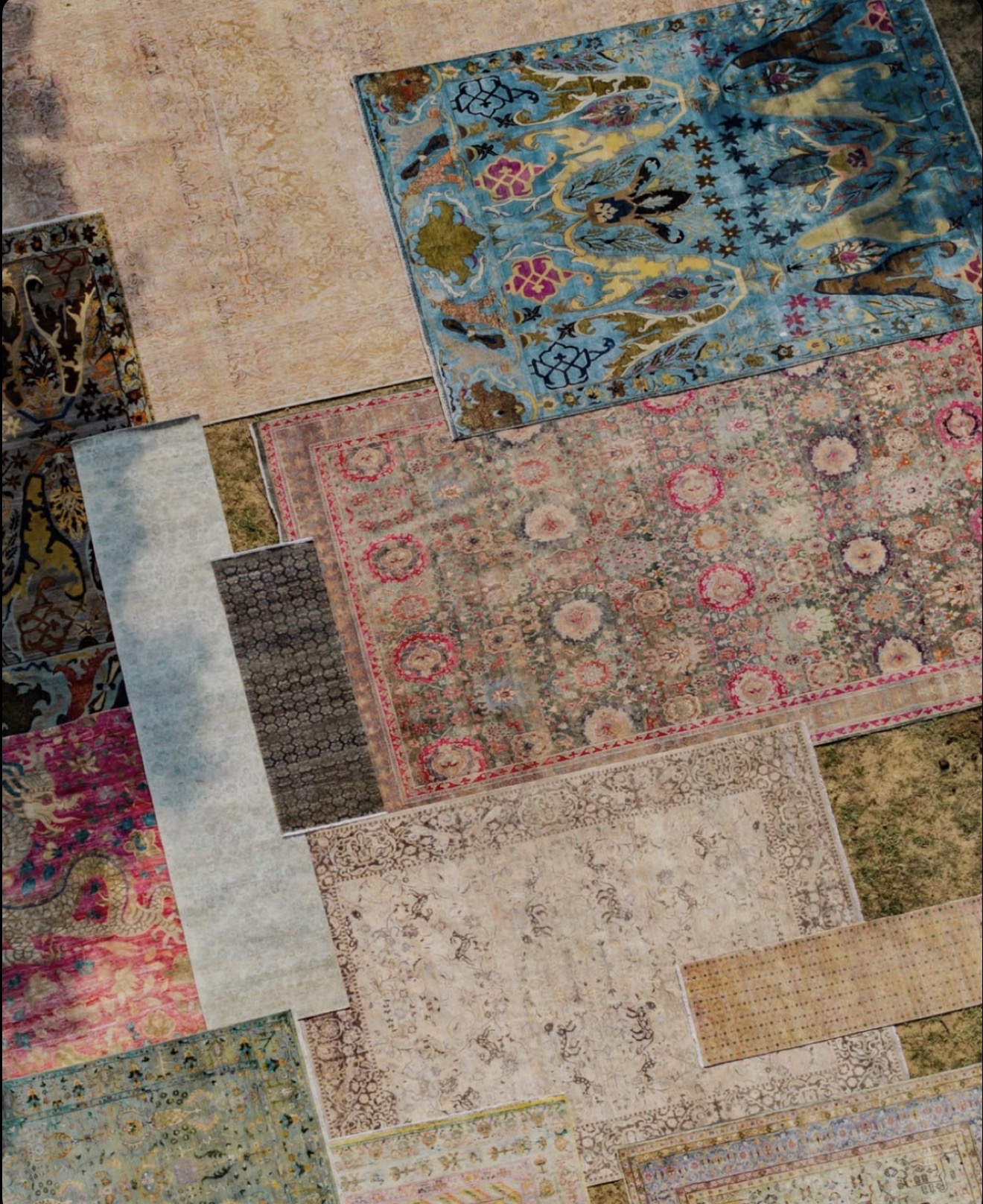
Traditional rug designs can include garden layouts, central medallions, vines, palmettes, rosettes, cypress
trees, birds, animals, stars, diamonds, and repeating geometric forms. The boteh, a curved teardrop-like
motif, is especially recognizable in Persianate textile design. Some motifs have acquired symbolic interpretations connected to nature, continuity, protection, or prosperity. However, meanings differ by
community and period; a single universal translation for every symbol would be misleading.
City workshop rugs often emphasize balanced compositions and finely articulated floral ornament. Village and
nomadic weavings may feature more spontaneous geometry, striking contrasts, and expressive variations.
Neither is inherently superior: they reflect different creative traditions and purposes.
From Anatolia to the Caucasus, India, and Central Asia
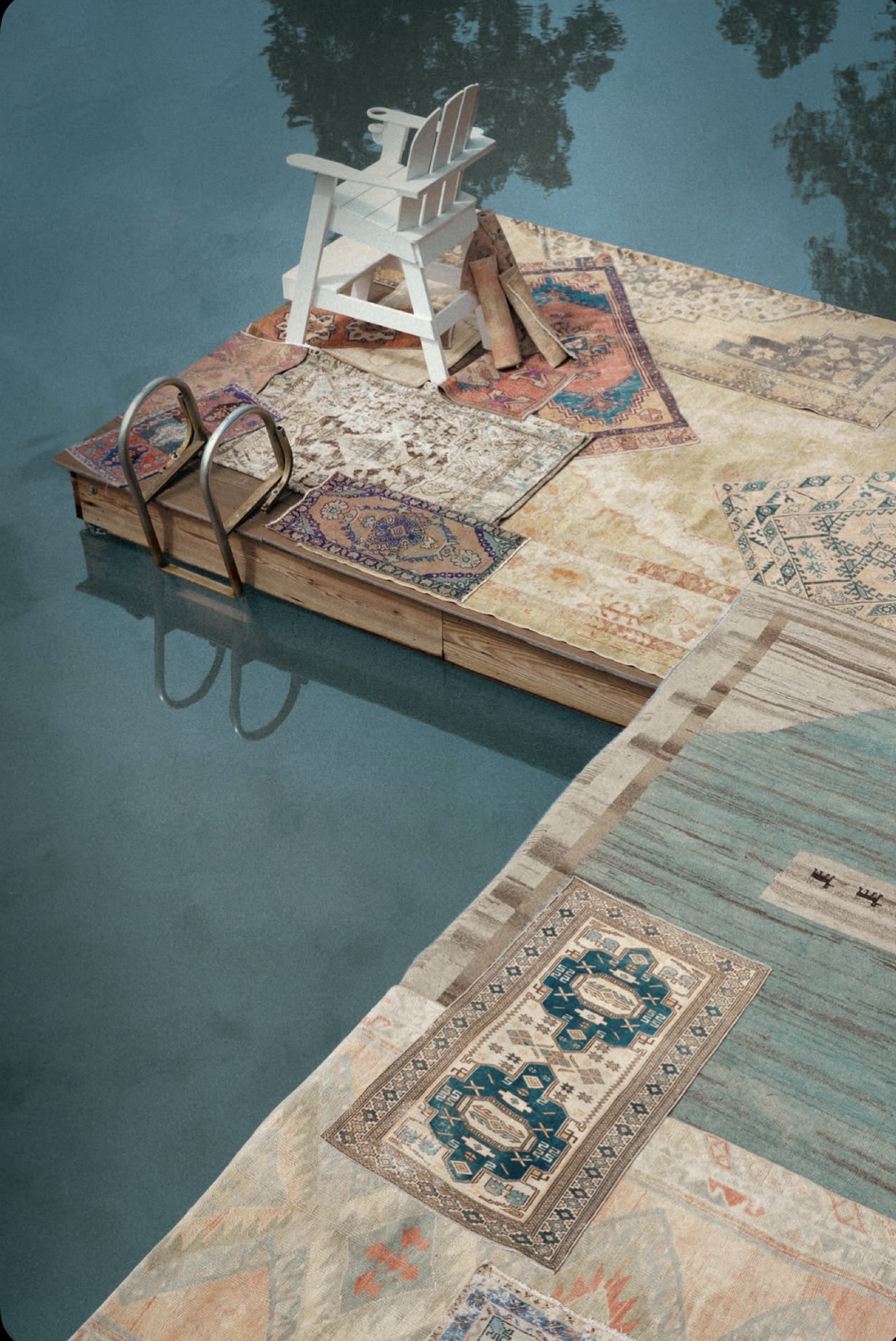
Anatolian weaving is celebrated for distinctive geometric and floral compositions, including historic Ushak
traditions. Caucasian rugs are known for striking geometry, stylized animals and flowers, and vibrant color
contrasts. Central Asian weaving encompasses important Turkmen and other regional traditions, often with
repeating tribal emblems. Mughal-era Indian workshops developed exquisite floral carpets shaped by local
artistic culture and exchanges with Persian design. Chinese carpets also developed recognizable palettes
and decorative motifs within their own historical contexts.
These categories are useful starting points, not rigid boundaries. Weavers, merchants, and patrons moved,
and patterns were adapted across regions over generations.
Why Handmade Rugs Can Be Valuable
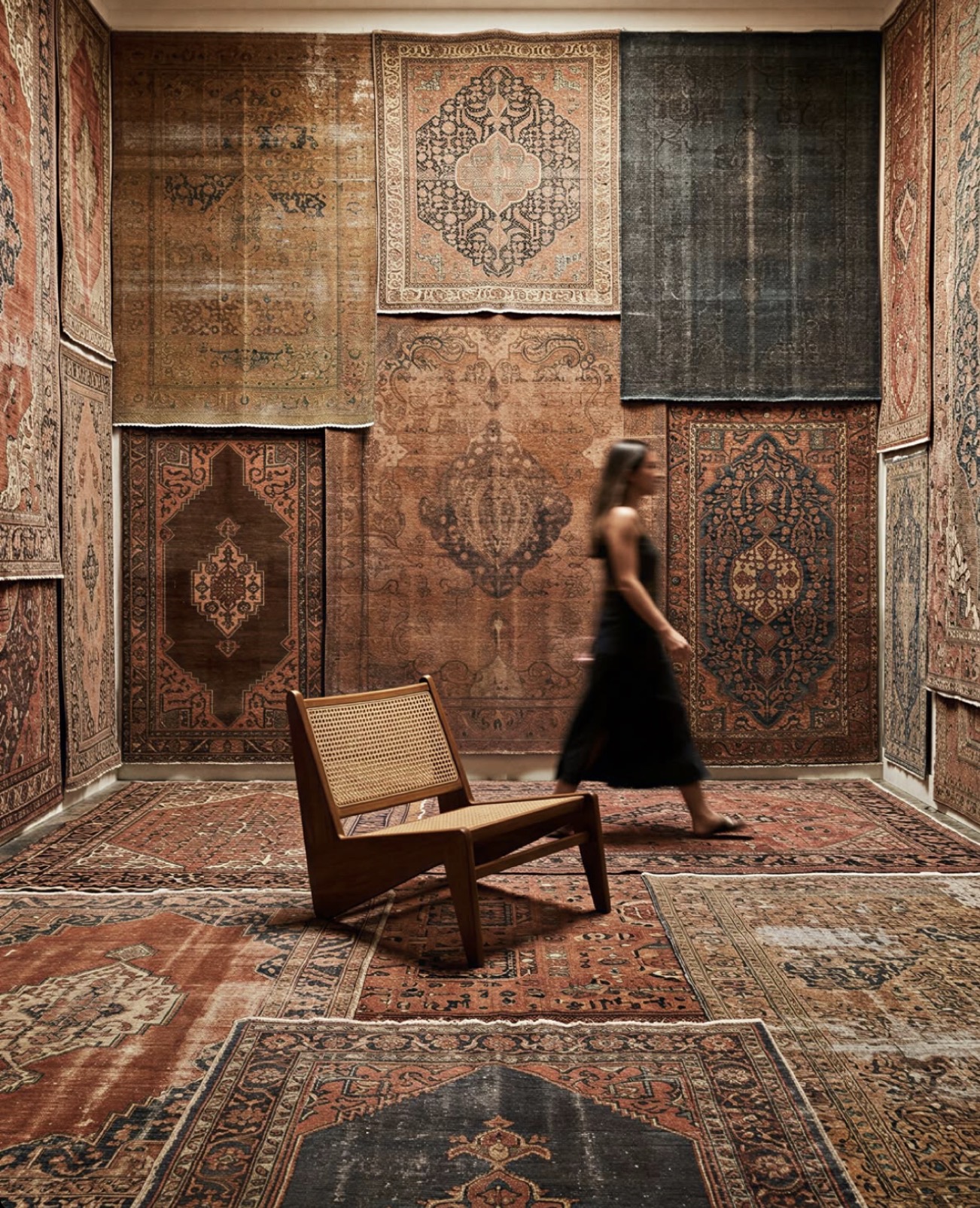
A fine handmade rug may possess artistic, historical, decorative, and monetary value. Its appeal may rest on
the originality of its composition, the skill of its maker, exceptional wool or silk, rarity, provenance, age,
condition, or demand among collectors and interior designers. Handcraft alone does not guarantee a high
resale price, and age alone does not make every rug an antique treasure. Market values change with fashion,
supply, buyer preferences, and the specific sales channel.
A well-preserved rug with a compelling history can become an heirloom passed from one generation to the
next. Even when its monetary value is modest, its cultural and personal significance may be profound.
Thoughtful maintenance and appropriate conservation help protect both kinds of value.
What Determines a Rug Appraisal?
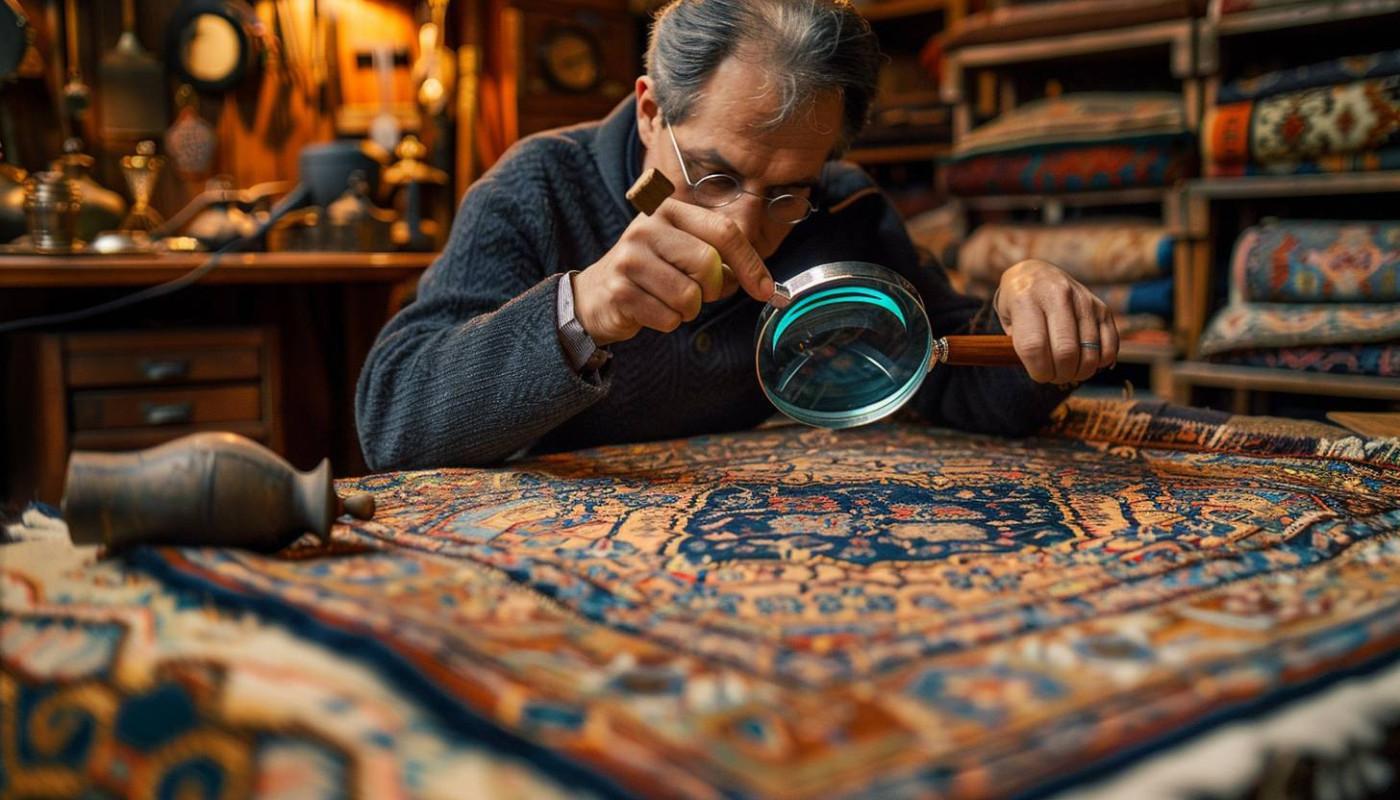
A responsible appraisal examines the rug itself: approximate origin and age, construction and knot type, fibers
and dyes, dimensions, design, craftsmanship, wear, repairs, color changes, structural stability, and available
ownership history. Comparable sales and current market conditions help inform the value conclusion. In some
cases, close inspection or specialist research is necessary before a confident attribution can be made.
Importantly, fair market value, retail replacement value for insurance purposes, and likely resale or liquidation
proceeds are different measures. The appropriate definition depends on why the appraisal is needed. No
reputable specialist should promise that every handmade or antique rug will appreciate in value.
Professional Rug Appraisal Services in Laguna Beach
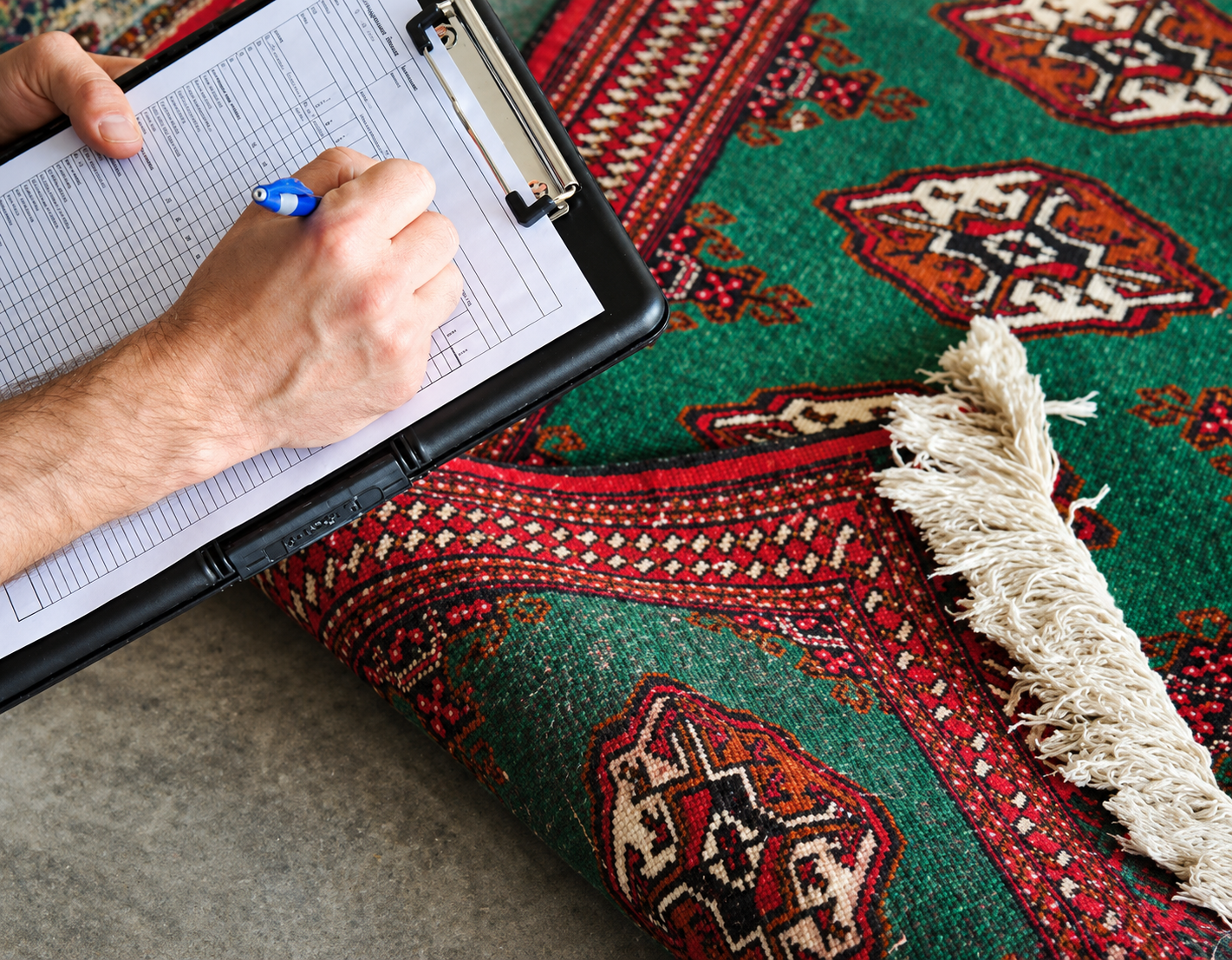
At Authentic Art Gallery in Laguna Beach, California, we help rug owners better understand the
craftsmanship, history, and potential market value of their handmade rugs. Whether you own a Persian
carpet, a family heirloom, a silk rug, or a distinctive vintage weaving, our team can arrange a specialist
assessment and discuss the characteristics that make your piece unique.
Our rug appraisal service can help you understand a rug’s estimated current market value, identify features
that may affect its desirability, and consider whether updated documentation may be appropriate for your
records or insurance needs. The scope, purpose, and format of any appraisal should be confirmed in
advance; a formal written valuation may require additional examination and research.
We welcome clients who wish to learn more about their rugs – not only what they may be worth, but also how
they were made, where their design traditions originated, and how to care for them responsibly.
Discover the Story Behind Your Rug
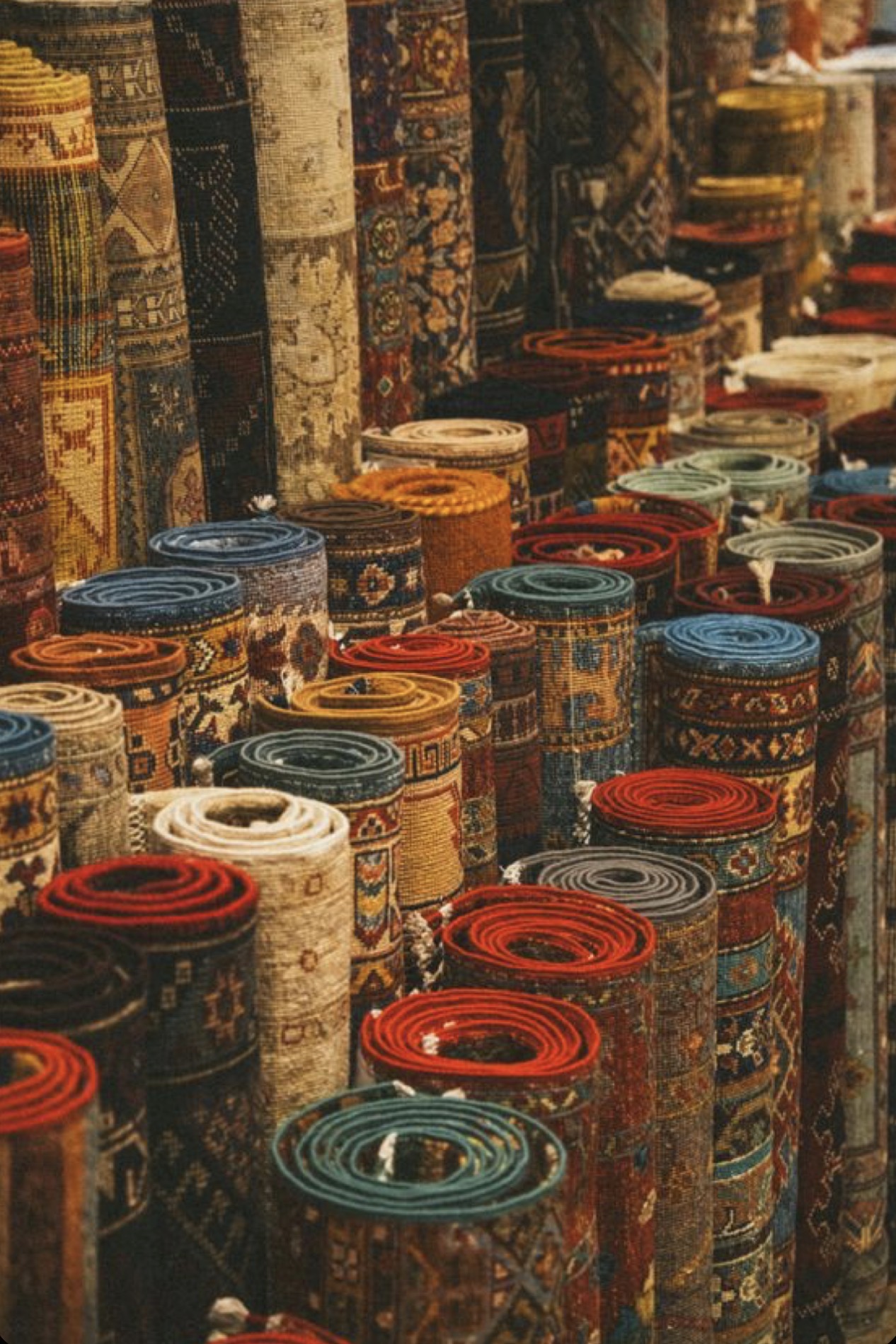
Every handmade rug deserves to be understood as more than a decorative object. Visit Authentic Art Gallery
in Laguna Beach to explore the artistry of handwoven carpets, ask questions about your collection, or inquire
about a professional rug appraisal. Let us help you discover the story, craftsmanship, and value woven into
your rug.


